
 By
By 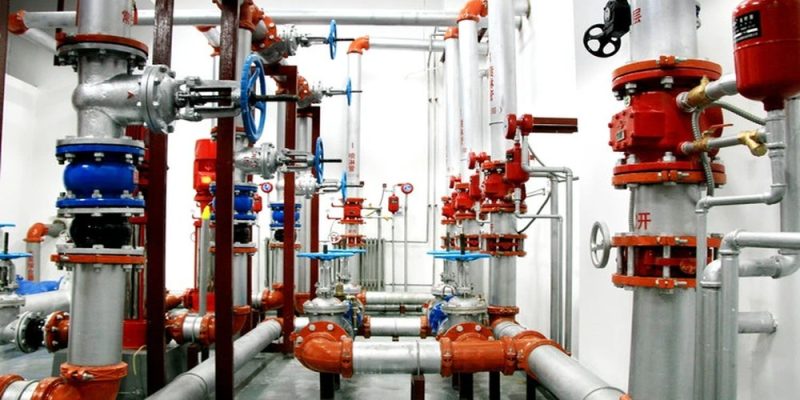
Valves are a fundamental part of any industrial piping system, responsible for controlling, directing, and isolating the flow of liquids and gases. In UK industries such as manufacturing, water treatment, and chemical processing, proper valve installation is essential to ensure safe operation and long term system performance.
Incorrect installation can lead to leaks, pressure issues, and reduced efficiency, making it important to understand the key considerations before fitting valves into any pipework system.
The Role of Valves in Pipework Systems
Valves regulate how fluids move through a system, allowing operators to control flow rates, isolate sections for maintenance, and prevent backflow. Different types of valves serve specific purposes, including:
- Ball valves: Quick shut-off and reliable sealing
- Gate valves: Full flow control with minimal restriction
- Globe valves: Precise flow regulation
- Check valves: Prevent reverse flow
Choosing the right valve type is the first step, but correct installation is equally important.
Correct Valve Selection
Before installation, it is essential to ensure that the valve is suitable for the system’s operating conditions.
Key factors include:
- Pressure rating: Must meet or exceed system requirements
- Temperature tolerance: Suitable for operating conditions
- Material compatibility: Resistant to the fluid being transported
- Valve function: Matching the intended control or isolation purpose
Using the wrong valve can lead to inefficiency, damage, or system failure.
Installation Position and Orientation
Valves must be installed in the correct position and orientation to function properly. Many valves have directional flow requirements, indicated by arrows on the body.
Important considerations:
- Ensure correct flow direction alignment
- Install valves in accessible locations for operation and maintenance
- Avoid placing valves where debris can easily accumulate
- Provide adequate clearance for handles or actuators
Incorrect positioning can affect performance and lead to premature wear.
Jointing and Sealing Methods
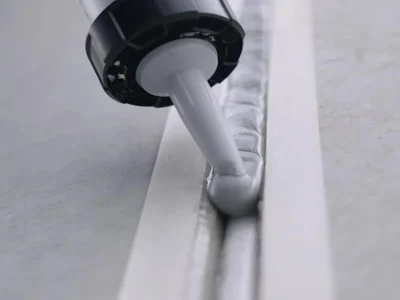
Proper sealing is essential to prevent leaks at valve connections. The method used depends on the type of pipework and valve design.
Common approaches include:
- Threaded connections with sealing tape or compound
- Flanged joints with appropriate gaskets
- Welded connections for high-pressure systems
Ensuring a secure, correctly sealed connection helps maintain system integrity.
Allowing for Maintenance and Accessibility
Valves require periodic inspection and maintenance, so accessibility should always be considered during installation.
Best practices include:
- Leaving sufficient space around valves for servicing
- Installing isolation valves to allow safe maintenance
- Avoiding hard to reach or obstructed positions
- Planning for easy replacement if required
Good accessibility reduces downtime and simplifies ongoing maintenance.
Pressure and Flow Considerations
Improper valve installation can disrupt flow and create pressure issues within the system.
To avoid this:
- Match valve size to pipe diameter
- Avoid unnecessary restrictions in flow paths
- Consider pressure drops across valves
- Ensure compatibility with system flow rates
Maintaining balanced flow conditions improves efficiency and extends system life.
Applications Across UK Industry
Valves are used in a wide range of industrial applications, including:
- Water and wastewater treatment systems
- Chemical processing plants
- Food and beverage production
- Heating and cooling systems
- Manufacturing and engineering facilities
In each case, correct installation is essential for safe and reliable operation.
Frequently Asked Questions
Can valves be installed in any direction?
No. Many valves require specific orientation to function correctly. Always follow manufacturer guidelines.
What happens if a valve is incorrectly installed?
It can lead to leaks, reduced performance, or even system failure.
Do all valves require regular maintenance?
Yes. Periodic inspection ensures they continue to operate effectively and safely.
Is valve size important?
Yes. Incorrect sizing can restrict flow or cause pressure issues within the system.
Final Thoughts
Installing valves correctly is essential for maintaining safe, efficient, and reliable industrial pipework systems. By selecting the right valve type, ensuring proper positioning, and using appropriate sealing methods, businesses can reduce the risk of leaks and operational issues.
In UK industrial environments, attention to detail during valve installation plays a key role in ensuring long term system performance and reliability.









Comments