
 By
By 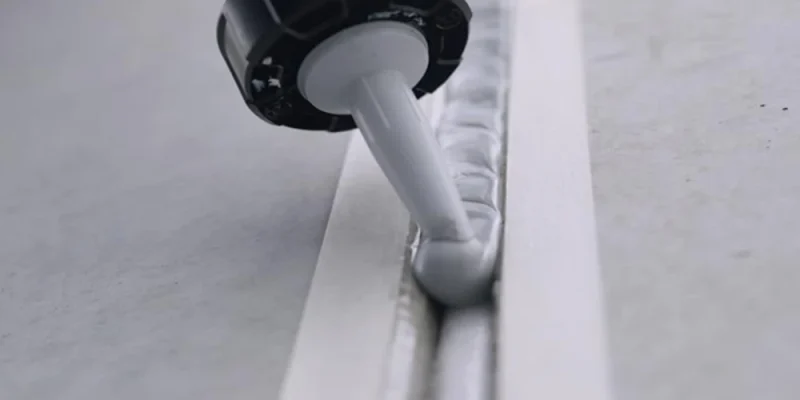
Moisture damage creates massive structural issues for modern property owners. Choosing the correct compound prevents expensive repairs down the line. Environmental factors like temperature quickly degrade weak barrier materials. Smart choices safeguard structural joints remain fully secure for periods. Applying the right sealant ensures total structural honesty and long-lasting protection.
Which Shielding Compound Fits Modern Construction Needs?
Silicone options offer extreme flexibility for high-moisture zones. Polyurethane materials provide excellent adhesion for heavy structural joints. Acrylic choices work best for interior gap-filling tasks.
Smart Adhesion Testing Ensures Long Structural Durability
Surface testing confirms how well materials stick together. Clean substrates guarantee that the bond strength never fails prematurely.
Temperature Resistance Factors Keep Joint Barriers Fully Secure
Extreme weather changes cause materials to expand or contract. Correct choices withstand intense heat without cracking or pulling away.
What Environmental Elements Degrade Common Joint Fillers?
UV radiation breaks down lower-quality barrier materials quickly. Constant water exposure requires specialized waterproof formulas for total defense.
How Do Professionals Match Materials with Specific Substrates?
Proper matching prevents chemical reactions that weaken the bond. Correct pairing ensures the protective layer remains intact for years.
· Careful analysis reveals the chemical makeup of every substrate.
· Compatibility checks prevent material rejection during the curing process.
· Surface porosity dictates whether primers are necessary before application.
What Testing Protocols Confirm Product Performance Strengths?
Standardized testing validates how well materials handle intense structural pressure. Laboratory certification ensures the product meets safety requirements before application.
Proper Maintenance Protocols Preserve Structural Joint Integrity
Regular inspections identify small tears before moisture causes structural damage. Annual cleaning removes dirt that might damage the outer protective barrier.
Crucial Application Steps for Maximum Protection Over Time
Proper preparation determines the ultimate success of the barrier. Rushing the installation process always leads to premature joint failure.
· Complete debris removal allows direct contact with the surface.
· Correct nozzle cutting ensures a clean, uniform bead size.
· Professional tooling tools smooth the material for seamless coverage.
Key Factors to Evaluate Before Initial Compound Selection
The following section outlines critical details regarding proper product picking. Property protection relies heavily on tracking specific sealant material performance ratings.
· Elite chemical resistance protects surfaces from harsh cleaning agents.
· High movement capability allows joints to flex without tearing.
· Fast curing times reduce project delays during tight schedules.
· Low-odour formulations keep interior air safe during application.
· Long shelf life ensures material reliability during storage periods.
Selecting the Right Product Option
| Material Variety | Total Flexibility Rating | Best Use Scenario | Expected Lifespan |
|---|---|---|---|
| Premium Silicone | High Flex | High Moisture Areas | Twenty Years |
| Tough Polyurethane | Medium Flex | Heavy Structural Joints | Fifteen Years |
| Quality Acrylic | Low Flex | Interior Woodwork Gaps | Ten Years |
Selecting the correct materials requires analysing flexibility and the environment together. Matching the material type to the specific task ensures structural safety.
Informational Protection Inquiries
· How long does standard joint curing take to finish? Most professional products require twenty-four hours to cure fully. High humidity levels can slow down the chemical drying process.
· Can users apply fresh compound over old brittle material? Old materials must be removed completely before applying the new product. Leftover residue prevents the fresh layer from sticking properly.
· Why do some joints crack shortly after product application? Cracking happens when joint movement exceeds the product’s flexibility limits. Choosing low-quality materials causes quick failure under stress.
Consistent Application Execution
Mastering property protection requires steady attention to application variables. True durability comes from choosing the right material for specific challenges. Consistency during surface preparation yields superior results compared to rushed installations. Longevity depends entirely on deliberate execution and correct material implementation. Real structural security remains an ongoing process of smart maintenance choices.









Comments