
 By
By 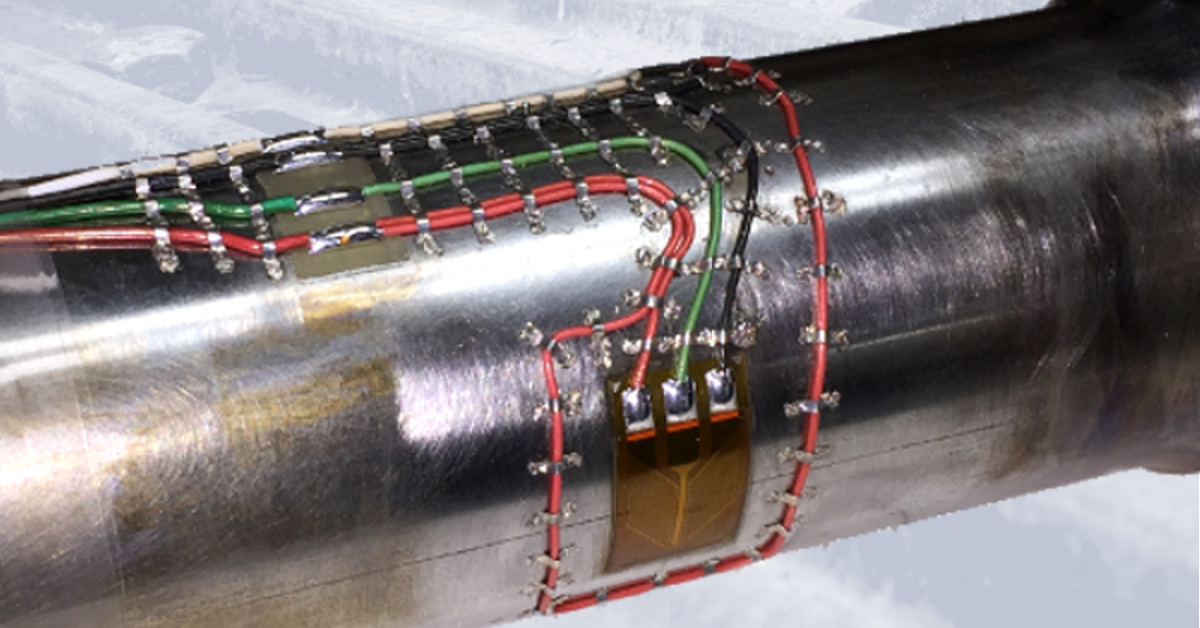
Strain gauges play a crucial role in research and development by offering precise and highly accurate measurements of strain. Strain gauges are sensitive tools used to detect even the smallest deformations in materials when subjected to force or pressure. This precision is essential in understanding how materials behave under different conditions, helping researchers improve product designs, develop new materials, and enhance safety. Their accuracy makes strain gauges indispensable for innovation across many industries.
Let us delve into five ways strain gauges provide precise and highly accurate measurements of strain.
Sensitive to micro-changes in deformation
Strain gauges are designed to detect minute changes in the deformation of materials. This sensitivity allows researchers to measure small strains that would be difficult to capture with other methods. The ability to monitor even the slightest changes helps in studying material properties more closely, leading to better predictions of how materials will behave under real-world conditions.
Real-time data for instant analysis
Strain gauges provide real-time data, allowing researchers to monitor how materials respond to stress immediately. This immediate feedback is crucial for experiments and tests where timing and precise responses are critical. Real-time monitoring also ensures that any anomalies are quickly identified and addressed, improving the overall accuracy of the experiment.
Repeatable and reliable results
The consistency and reliability of strain gauge measurements make them ideal for repeatable experiments. Strain gauges provide reliable data across multiple tests, which is important in R&D when evaluating the performance of materials under various conditions. This repeatability ensures that results are not just one-off measurements but reflect consistent behavior.
Wide range of material applications
Strain gauges can be used on a wide variety of materials, including metals, plastics, ceramics, and composites. Their versatility allows researchers to test different types of materials in the same experimental setup. This flexibility helps R&D teams understand the properties of diverse materials, expanding the possibilities for innovation.
Precise calibration for accuracy
Strain gauges can be precisely calibrated to meet the specific requirements of an experiment. This calibration ensures that the measurements are highly accurate, which is essential for research that demands exact data. Proper calibration allows researchers to trust the measurements, enabling confident decision-making when analyzing material performance.
The conclusion
Strain gauges are critical in research and development because they offer precision, real-time data, repeatability, and adaptability. These features ensure accurate material testing, enabling scientists and engineers to innovate and improve products across various industries.













Comments