
 By
By 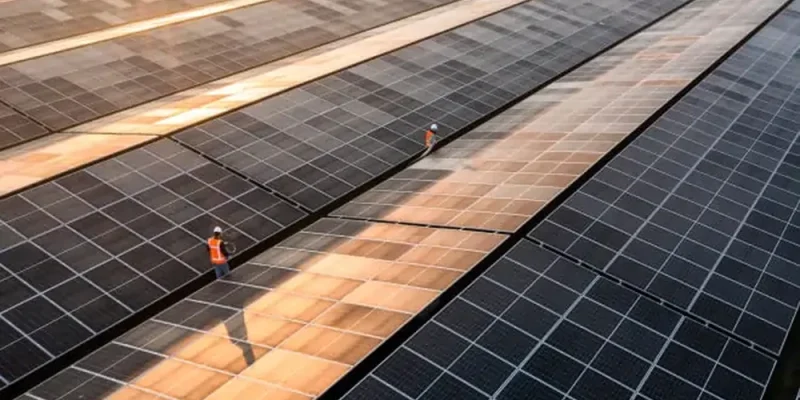
The journey towards a sustainable future is well underway in the UK. With the government’s commitment to achieving net-zero carbon emissions by 2050, businesses are increasingly turning to renewable energy sources. This shift not only helps combat climate change but also secures a more resilient operational future.
Utilising renewable energy, particularly through advanced systems designed for non-residential buildings, can significantly reduce reliance on traditional energy grids. By harnessing sunlight, businesses can lower their operating costs while positioning themselves as leaders in sustainability.
This comprehensive resource provides vital information for organisations looking to embrace this energy transformation. Understanding the specific requirements and configurations of a solar system is crucial for long-term energy independence and environmental responsibility.
Key Takeaways
- Businesses are adopting renewable energy to meet the 2050 net-zero target.
- Utilising energy from the sun can reduce operational costs.
- Modern systems cater to larger energy demands.
- Technical and financial considerations are essential for success.
- Understanding system configuration is key to sustainability.
Understanding Commercial Solar Energy for UK Businesses
UK businesses are embracing the potential of renewable energy for a sustainable future. This shift not only enhances environmental responsibility but also brings substantial economic benefits. Generating clean energy on-site allows a business to protect its bottom line against volatile energy prices that remain high in 2025.
Moreover, many organisations are now utilising renewable energy to meet Environmental, Social and Governance (ESG) goals. This commitment strengthens their brand reputation with stakeholders. Compliance with frameworks such as the Streamlined Energy and Carbon Reporting (SECR) becomes easier when a building reduces scope 2 emissions through renewable energy sources.
Additionally, the Energy Savings Opportunity Scheme (ESOS) identifies renewable energy as a strategic measure for large UK organisations to improve energy efficiency. By installing energy systems, a company can achieve significant long-term savings, with many setups paying for themselves within three to seven years.
Frontier Energy provides the necessary expertise to help your organisation navigate these complex regulatory and economic landscapes effectively.
Essential Steps in a Commercial Solar Panel Installation Guide
The shift towards renewable energy solutions is gaining momentum across the UK. This trend is vital for businesses looking to reduce their carbon footprint and operating costs. The process begins with a thorough feasibility study, which assesses roof space and potential energy generation for your specific site.
Frontier Energy provides expert guidance to ensure compliance with all technical requirements from the initial survey. The installation process involves several key steps:
- A detailed site assessment evaluates roof orientation, structural integrity, and potential shading from nearby trees.
- Once feasibility is confirmed, technical design teams optimise the layout for maximum energy output during the working day.
- Navigating planning permission is crucial, as some buildings may require specific local authority approvals.
- Certified installers connect inverters and solar arrays to the existing electricity grid, ensuring safe operation.
- A comprehensive handover includes training on monitoring tools, allowing businesses to track system performance.
Following the expert advice from Frontier Energy guarantees that your project adheres to all current UK building regulations.
Roof and System Considerations
Selecting the right roof type and system configuration is crucial for maximising energy generation. Various roof styles can significantly impact the efficiency of energy systems. For instance, flat roofs are ideal for commercial buildings, allowing the use of specialised racking systems to achieve optimal angles.
When considering orientation, south-facing roofs capture the most sunlight, enhancing energy output throughout the day. In contrast, east- and west-facing roofs may experience a 15-20% efficiency drop. This can be mitigated by employing microinverters or power optimisers to combat shading issues.
Structural integrity is also essential. Older roofs might need reinforcement to support the weight of new installations. Furthermore, choosing high-efficiency monocrystalline panels is advisable for businesses with limited roof space.
Frontier Energy offers advanced insights into selecting the right mounting equipment, ensuring durability and performance for decades. Proper planning and configuration can lead to significant long-term savings.
Choosing Your Solar Panel Installer
Choosing the right installer is a pivotal step for businesses aiming to harness renewable energy effectively. A professional installer should manage everything from the initial feasibility study to the final connection to the grid and ongoing maintenance support.
Frontier Energy Ltd recommends verifying that your chosen installer possesses the necessary technical certifications for commercial-scale projects. This ensures safety and compliance with industry performance standards.
- Opt for a qualified installer who provides a detailed site survey to identify potential issues with your building’s electrical infrastructure.
- Look for partners offering comprehensive servicing and maintenance to maximise your investment.
- Experienced teams will handle the entire process, allowing your business to focus on core operations without disruption.
- Frontier Energy Ltd emphasises selecting a partner who can deliver customised solutions tailored to your specific energy needs.
- Always request case studies or references to ensure your installer has a proven track record with similar projects.
Funding, Incentives and ROI for Solar Installations
As the push for renewable energy intensifies, understanding available funding and incentives is crucial for businesses. The UK government offers several schemes to support investments in energy systems. These incentives not only ease the financial burden but also promote sustainability.
One significant option is the 50% First Year Allowance (FYA), extended until March 2026. This allows companies to offset a large portion of their costs immediately. Additionally, businesses can utilise the Annual Investment Allowance (AIA) to deduct the full cost of qualifying energy investments from their Corporation Tax bill.
Accessing UK Government Schemes and Tax Allowances
Many organisations benefit from the Smart Export Guarantee, which provides a financial return for any excess electricity exported to the grid. Furthermore, suppliers receive a REGO certificate for every 1,000 units of renewable energy produced, helping to verify green energy claims.
Maximising Savings with Frontier Energy Ltd
To optimise savings, Frontier Energy Ltd conducts a strategic review of energy consumption. This ensures the system size is perfectly balanced for maximum efficiency. Investing in energy systems not only reduces operational costs but also enhances the overall market value of your property.
- Utilise government incentives for a faster return on investment.
- Invest in energy systems to support long-term sustainability goals.
- Leverage tax allowances to significantly lower installation costs.
Conclusion
Embracing renewable energy is a vital step for businesses aiming for a sustainable future. Transitioning to these solutions offers long-term financial stability and positions companies as leaders in environmental responsibility.
By following the steps outlined in this article, organisations can ensure their projects are efficient, compliant, and profitable. Selecting the right partner is crucial for navigating the complexities of a large-scale energy project.
Utilising current government tax allowances and export schemes can significantly enhance overall returns on investment. Begin your journey today by scheduling a professional site survey to uncover the potential of your building’s roof space.
Adopting renewable power now not only protects your business from future energy price fluctuations but also contributes to achieving essential net-zero targets.













Comments