
 By
By 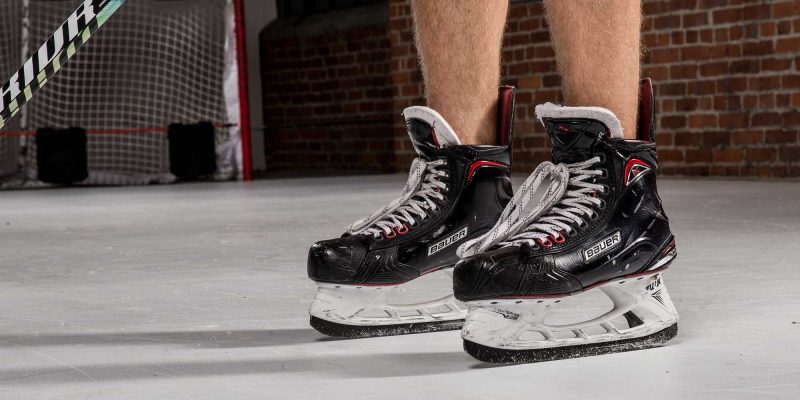
The difference between gliding past defenders and feeling stuck in your stride often starts with your skates. For hockey players, the right pair of ice skates is not just a piece of gear; it is a game-changer that influences everything from speed and balance to confidence on the ice.
Why Choosing the Right Ice Skates Shapes Your Hockey Performance
Seasoned hockey players will tell you that the smallest adjustments in skate fit or blade profile can alter their entire approach to the game. NHL professionals routinely credit custom-fitted skates for improved stop-start explosiveness and reduced injury risk. For example, Sidney Crosby once switched skate models and immediately noticed sharper turns and more efficient acceleration, attributing a bump in his scoring streak to these changes.
Skate selection touches every aspect of performance: agility, power transfer, and even endurance. Poorly fitted skates cause discomfort and fatigue, while the perfect pair feels like a natural extension of your foot, turning each shift into an opportunity instead of a struggle.
Understanding the Anatomy of Hockey Ice Skates
A well-designed hockey skate consists of three critical components: the boot, the blade, and the fit. The boot must balance rigidity for support with targeted flex zones for agility. Modern boots use advanced composites and memory foams to offer both.
The blade’s length, hollow, and rocker profile directly impact speed, maneuverability, and stability. A flatter profile suits defensemen looking for stability, while forwards often prefer pronounced rockers for nimble movement.
Fit is not just about shoe size. You must consider length, width, and the overall volume around your foot and ankle. Even a top-tier skate underdelivers if the fit causes heel slippage or pinched toes.
Real-World Scenario: Matching Skate Features to Player Skill Levels
Beginners benefit from softer boots that cushion falls and allow more forgiveness in technique. Entry-level skates focus on comfort, warmth, and easy break-in periods. Intermediate players should look for mid-level stiffness that supports agile movements while still accommodating some growing pains in footwork. Advanced athletes need precision-fitted, heat-moldable boots and ultra-light materials, features designed for peak performance and split-second response.
The Role of Brand and Technology in Skate Selection
Choosing between CCM, Bauer, and K2 is more than picking a logo. Each brand brings unique technologies: CCM’s one-piece boots maximize energy transfer, while Bauer’s asymmetrical toe caps cater to foot shape diversity. K2 emphasizes comfort, often integrating soft boot technology that reduces bulk without sacrificing support. Specialty shops like patin a glace Liquida Sport curate these brands, offer expert advice, and sometimes exclusive versions or discounted models.
Cutting-edge innovations, such as thermoformable boots and replaceable steel runners, can be the deciding factor for players seeking incremental gains. Customer reviews frequently highlight the difference a new closure system or improved liner makes during long games or double practice sessions.
Practical Tips to Ensure a Perfect Skate Fit
Measuring your feet at home? Lace up a thin sock, stand with your heel against a wall, and mark the longest toe, do both feet. Compare with size charts but always try skates on before finalizing. In-store, check for snugness at the heel, no pinching at the forefoot, and just enough room to wiggle your toes. Avoid skates that let your foot slide or leave painful pressure points.
After purchase, professional skate sharpening is essential. A precise edge radius matched to your skill and skating style improves bite and glide. Regular maintenance extends blade life and ensures consistency game after game.
Budget Considerations Without Compromising Performance
Quality comes at a price, but not every player needs a $700 pro model. Assess how often you play, your position, and your long-term goals. For beginners and recreational skaters, mid-range models provide ample performance and comfort. Veterans or competitors can justify splurging on high-end materials and technology.
Consider the balance between cost and longevity. A $200 skate that fits perfectly and lasts three years may provide more value than a $120 pair that needs replacing after one season. Watch for deals during off-seasons or loyalty programs that offer rewards for future purchases, a benefit often featured by specialty retailers.
Final Decision-Making Framework: Choosing Skates That Elevate Your Hockey Game
Before you head to the rink, use this checklist:
– Confirm your foot measurements and preferred fit (snug, with toe movement).
– Identify your playing level and position requirements.
– Compare key technologies and materials among leading brands.
– Test comfort and support in-store, focusing on heel lock and ankle wrap.
– Factor in sharpening and maintenance as part of your yearly budget.
– Seek trusted retailers with expert guidance and flexible return policies.
Great hockey starts at your feet. The right skates turn effort into results, transform weaknesses into strengths, and make every shift more enjoyable. By investing time in your selection process, you are investing in your entire game, one stride at a time.













Comments